MANITOULIN—On July 23, 2025, the International Court of Justice (ICJ), the United Nations’ highest judicial body, dropped a bombshell with a sweeping advisory opinion: countries ignoring climate change protections may be breaking international law—and the victims of climate harm could demand reparations.
The court’s president, Yuji Iwasawa, didn’t mince words. He called climate change “an existential problem of planetary proportions,” threatening all life and the very health of Earth itself. The blunt message: “Failure of a state to take appropriate action to protect the climate system … may constitute an internationally wrongful act.”
This isn’t some dusty legal text buried in bureaucracy. Clocking in at over 500 pages, the opinion declares that a “clean, healthy and sustainable environment” is a fundamental human right. That’s a seismic shift, opening the floodgates for lawsuits—not just between countries at the ICJ, but also in national courts and through trade and investment treaties.
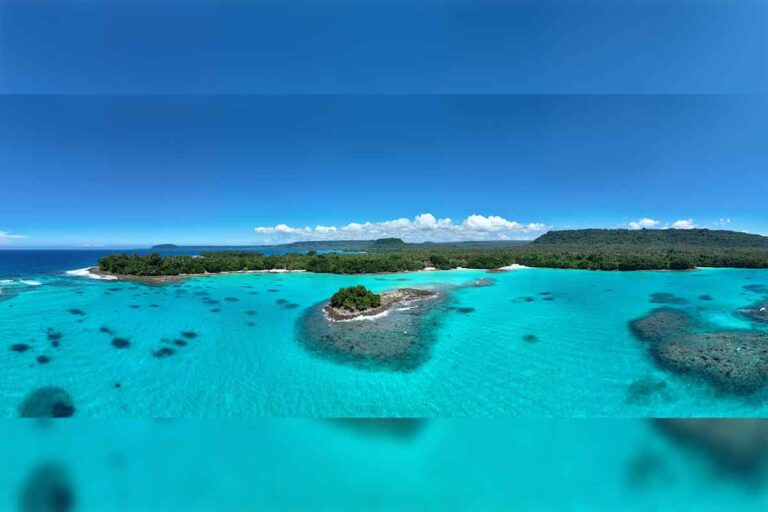
The case was pushed forward by Vanuatu, a Pacific island nation literally on the front lines of rising seas, backed by more than 130 countries. Every UN member state is part of this court—including climate juggernauts like the United States and China.
Outside the court, climate activists held a banner: “Courts have spoken. The law is clear. States must ACT NOW.” Inside, smiles, laughter and hugs broke out as the ruling landed.
Mary Robinson, former UN human rights chief, called it a “powerful new tool” to hold governments accountable for the climate damage already done. Vishal Prasad, from Pacific Islands Students Fighting Climate Change, nailed it: “Those who did the least to fuel this crisis deserve protection, reparations and a future.”
The story behind this ruling runs deep. After years of island nations warning they might vanish beneath rising oceans, the UN General Assembly asked the ICJ in 2023 for guidance on exactly what states owe the planet and what happens if they fail.
Fifteen judges wrestled with two urgent questions: What are the legal duties of countries to protect the climate from human-caused greenhouse gases? And what consequences face governments that harm the environment through action or neglect?
Arnold Kiel Loughman, Vanuatu’s attorney general, put it plainly last December: “The stakes could not be higher. The survival of my people and so many others is on the line.”
Since 2013, global sea levels have climbed about 4.3 centimetres on average—with Pacific islands feeling the worst. The planet has warmed 1.3°C since preindustrial times, fueled by fossil fuels.
“The agreements being made internationally are not moving fast enough,” said Ralph Regenvanu, Vanuatu’s climate minister.
The ruling gives citizens a new weapon—they can challenge their own governments if they fail to act on the court’s demands.
Joie Chowdhury, senior lawyer at the Center for International Environmental Law, said the case tackles the full spectrum: “It addresses past, present and future climate action… confronting historical responsibility is key.”
But the fossil fuel giants—namely the US and Russia—push back hard against any court mandate to cut emissions. Still, as the UN Secretary-General told The Associated Press, clinging to fossil fuels is a losing bet—economically and morally.
This advisory opinion is just the latest win for vulnerable island nations. Earlier this month, the Inter-American Court of Human Rights ruled countries must actively protect and restore ecosystems. Last year, Europe’s top human rights court said governments must better shield their people from climate fallout. And back in 2019, the Netherlands’ Supreme Court set a precedent: climate protection is a human right and governments have a duty to safeguard citizens.
The ICJ’s presiding judge closed the July 23 hearing with a sober truth: international law is vital but limited. The fight for Earth’s future demands all fields of knowledge, and every person’s contribution, to secure a world for those yet to come.