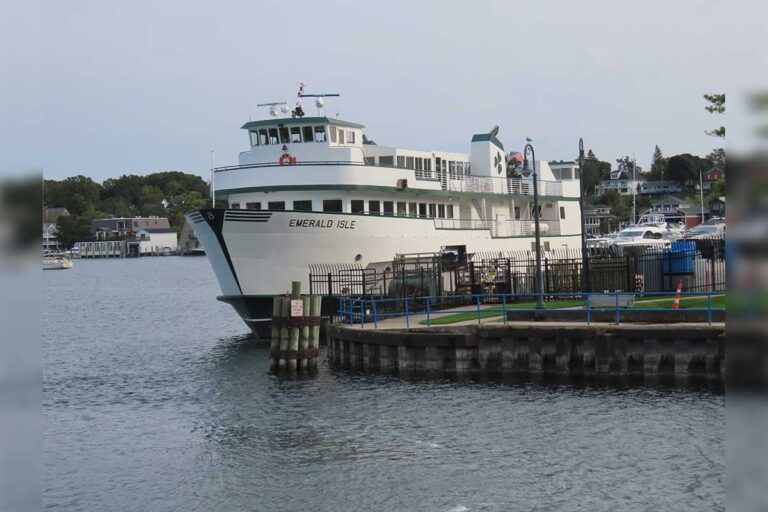
The sixth annual Summit of the Great Lakes Island Alliance (GLIA) was held September 21-24 on Beaver Island, Michigan where about 75 attendees from various islands in the Great Lakes met to discuss issues common to all occupied islands in the Great Lakes.
The Alliance was initiated in 2017 with a meeting on Beaver Island where the attendees saw the need to encourage relationship building, foster information exchange, and leverage resources to address shared challenges and embrace opportunities to benefit islands.
Alicia McCutcheon, Editor of The Manitoulin Expositor, attended the first meeting in 2017 and has encouraged members of the Manitoulin community to participate in GLIA and attend it’s Summits whenever possible. Participants are volunteers who share a passion for their islands.
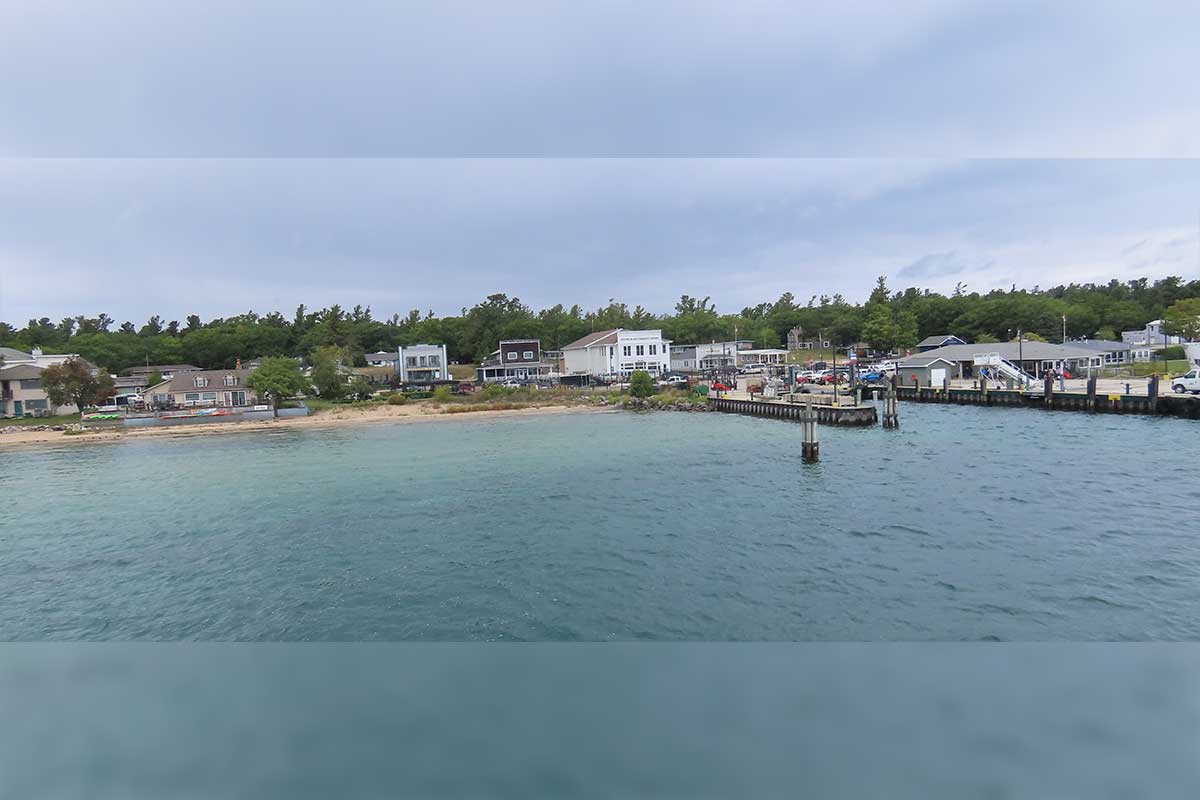
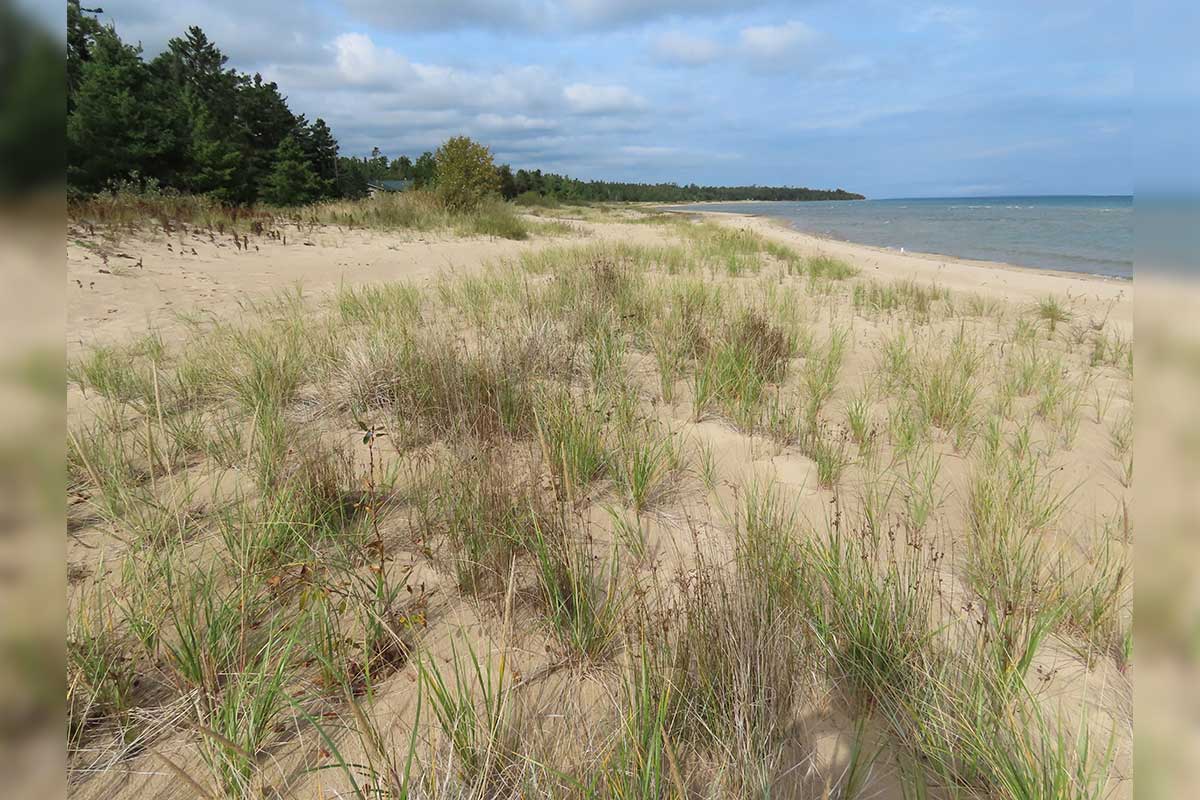
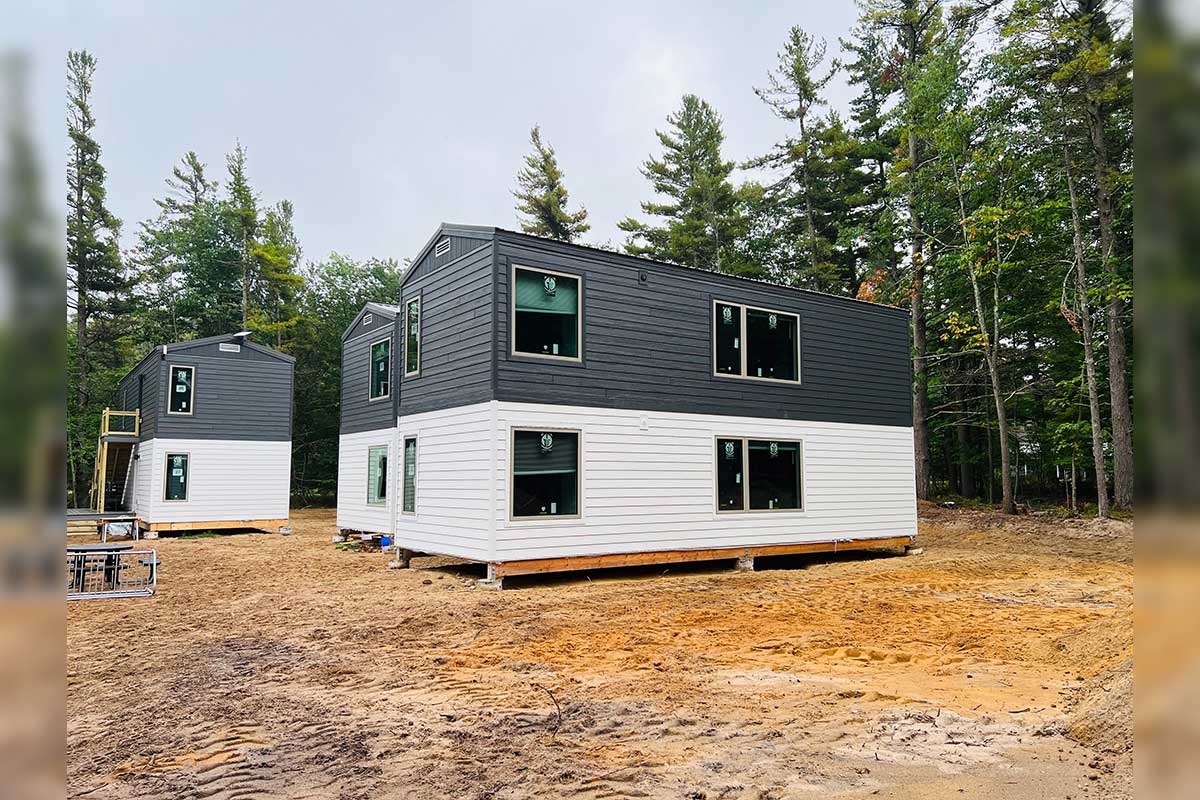
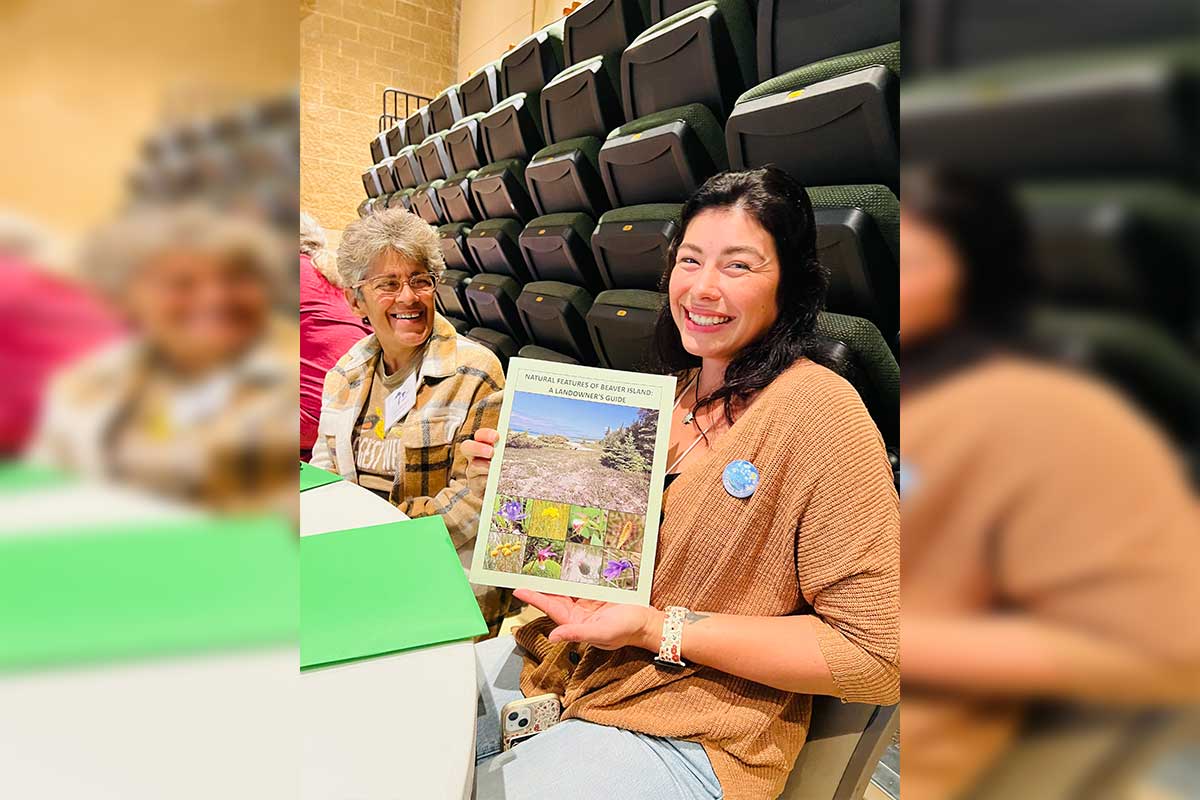
photo by Joe Shorthouse
There are 20 Great Lakes islands in the Alliance with the stipulation that membership islands are occupied by year-round inhabitants.
Summits are held each fall to bring together islanders to share insights, explore solutions and strengthen partnerships. Highlights usually include, among others, sessions on health care, education, infrastructure, natural resources, housing, employment and culture.
Each summit is hosted by a different island community. Past venues were Beaver Island (2017), Madeline Island (2018), Mackinac Island (2019), four Lake Erie islands—Kelleys, Middle Bass, Pelee, and South Bass (2022), and the archipelago of Les Cheneaux Islands (2024).
Each Summit exemplified the strength of community collaboration, highlighting the unique challenges and opportunities faced by island residents while celebrating their rich cultural heritage and shared commitment to island life. A common theme is the importance for islands to have strong leaders with passion, drive and persistence in promoting island initiatives.
Many of the topics discussed are common to all islands such as enhancing tourism (and balancing it with environmental and social community needs), offering affordable workforce and senior housing, attending to ageing populations, stewarding the natural environment, building adequate infrastructure, and maintaining readiness for natural disturbances. While GLIA does consider the visitor experience, what makes it stand apart is its focus on the perspective of the year-round island community.
Beaver Island is somewhat different from the other GLIA members in that its isolation and community cohesiveness has enhanced its feeling of ‘islandness’. With a two-hour ferry ride (51 km off-shore), it is the most remote of the year-round islands in the Great Lakes. There is strong collaboration among island communities to coordinate island-wide initiatives.
School teachers encourage the students to think about their connections to the island and the land. Some of the students wrote a poem entitled ‘Our Island Pledge’ which describes the importance of keeping the island sustainable. The pledge is part of tourist information.
There is an active Beaver Island Association with representation from all walks of life from business owners to retirees, designed for island-wide coordination including sharing of community events. The community library is open to a variety of uses and events.
At the Summit, attendees heard about many initiatives on Beaver Island that could be explored for Manitoulin Island.
For example, there is a ‘Message from the people of Beaver Island’ posted at entry points and in tourist literature for the benefit of visitors to the island. Here there are answers to questions on issues such as how many people live here year-round, where people are employed, private land ownership, protecting the environment, tourist activities, fishing and hunting, accommodations, restaurants, winter activities, etc.
Unique to the previous Summits was a project addressing affordable housing for people in the work force, seniors, and indigenous people. Beaver Island has a problem with the construction of housing because all supplies must be imported on barrages, there are few carpenters, and concrete is not available on the island.
A solution was to construct 10 sturdy modular homes on the mainland and ship them on barges to the island.
The plan, which was close to finalization, is to restrict these rental units to people with an annual income of $42,000.00 to $60,000.00 (U.S.). Rental cost will be between $960.00 to $1,200.00 per month
We met the architect of the project and were given a tour of the homes. The Units are small – each is one floor about 5 X 13.5 m with one bedroom, front room, kitchen and bathroom – but tidy and well built. The cost to construct the homes off island, transportation by barge, installation, and wells and septic fields was approximately $50,000.00 (U.S.) per Unit.
Crucially, this housing project has the backing of the island township. At the Summit, significant time was spent discussing the development and approval process of the structures themselves.
Equally important, the architect is a seasonal islander who understands the community. He has decades of experience around the United States and acknowledged how this island project had to be different. While every island situation is different, he concluded that the basic process could be transferred and modified for other islands.
Beaver Island has a year-round population of about 620 residents and swells to several thousand in the summer with seasonal residents and visitors. It is about 145 km2 in area, about 21 km long and 5-10 km wide.
The island is basically flat and mostly sand with extensive forests. It was logged in the 1800’s and so much of the forest today is secondary growth.
Besides the ferry that runs from Charlevoix on the mainland during the warm season, there are two small locally owned commuter airlines with crossings taking about 15 minutes.
Historically, the primary industries on the island were fishing, logging and farming. Presently the economy centres on governmental services, tourism and residential and cottage construction.
Recreational opportunities abound in the insular harbor, beaches, inland lakes and the state forest that includes much of the island. A golf course, nature trails, restaurants, hotels, a marina and other amenities are available.
Central Michigan University owns and operates a large research facility on the island, known as the “CMU Biological Station”. This is one of the largest biological field stations in the United States educating students from the mainland on issues related to waters of the Great Lakes and terrestrial ecosystems and undertaking vast amounts of research.
An amazing booklet, the likes of which would be valuable on all GLIA islands, including Manitoulin, is “Natural Features of Beaver Island: A Landowners Guide”.
The 57-page booklet with hundreds of colour photographs describes the 12 plant communities on the island and the steps needed to protect them. The project was funded by the United States Fish and Wildlife Service through a grant in 2019.
Each landowner on the island is given the booklet to help them understand the natural environment on their property and the kinds of plants and animals present.
To learn more about GLIA, visit glialliance.org. Membership is free. Join via a simple form on the website. Additional participation from Manitoulin Islanders, both year-round and seasonal, is encouraged!
Joe Shorthouse has been a member of the Steering Committee of GLIA since 2018. He has a summer home on Manitoulin Island, spends the winter in Sudbury, and regularly writes articles for The Manitoulin Expositor.
EDITOR’S NOTE: This story is being reprinted due to a misprint in the November 26 edition of the Manitoulin Expositor.
by Joe D. Shorthouse