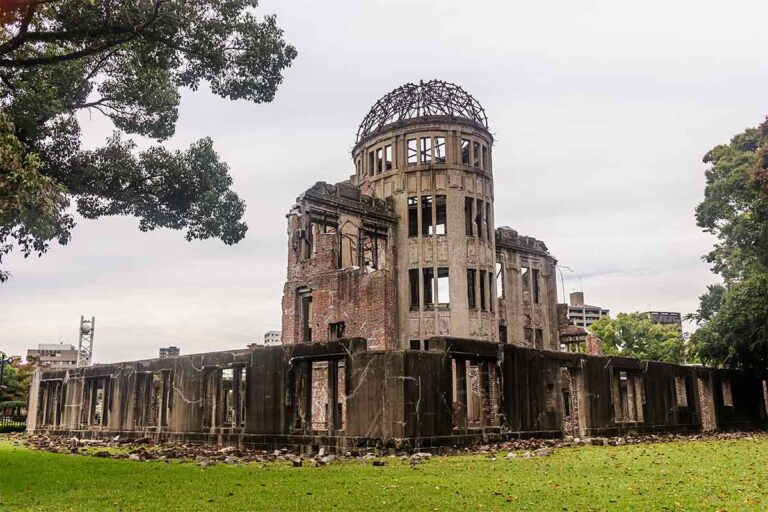
96-year-old reflects on Hiroshima anniversary
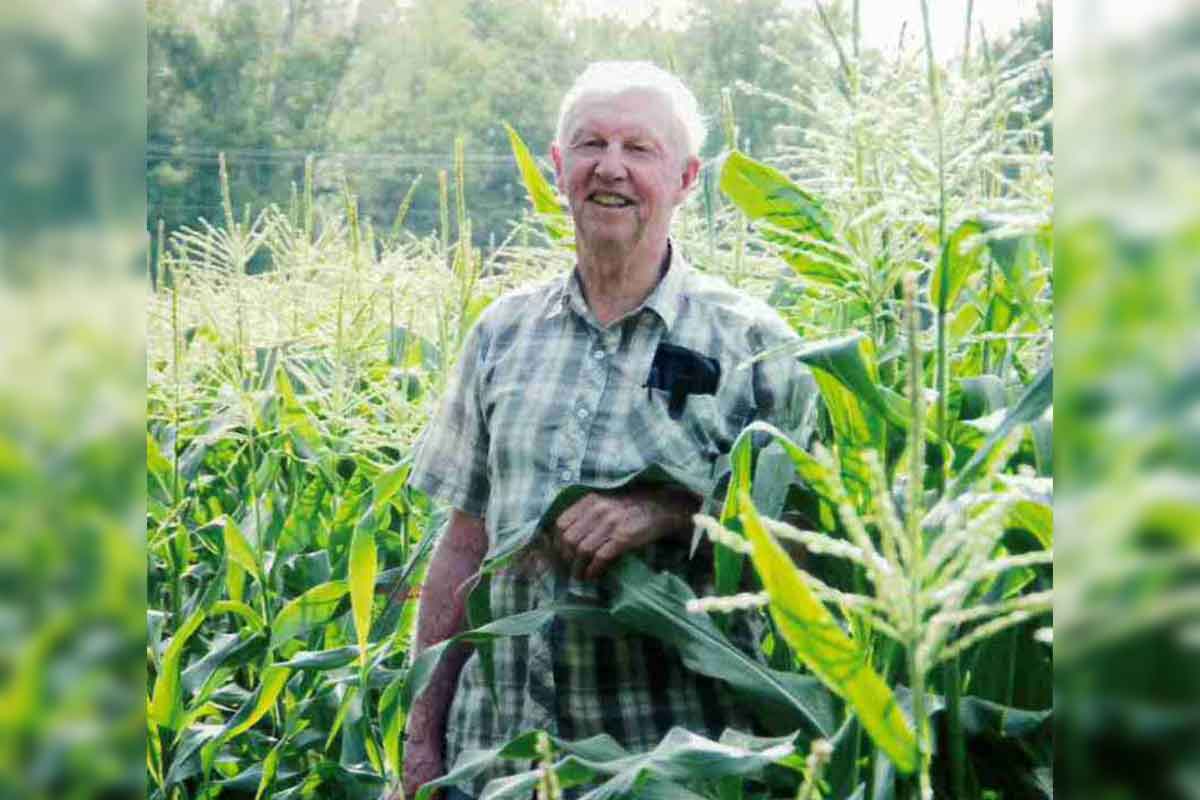
KAGAWONG—It has been quite the journey for anti-nuclear activist Ed Burt whose lifelong passion has been to sound the alarm on our complacency about nuclear power. On the advent of the 80th anniversary of the only time a nuclear bomb has been used in combat, The Expositor caught up with Mr. Burt to chat about his memory of that day, and how that event has coloured his experience ever since.
Mr. Burt was a 15-year-old when the news of dropping nuclear bombs on Hiroshima and Nagasaki came across on the radio in 1945—and this was to have a lasting, in fact lifelong, impact on the young Haweater.
“It did, it really had an impact on me, and it still does,” said Mr. Burt. “I was going on 16 and we lived on a farm on Poplar Road, just three miles outside Gore Bay.”
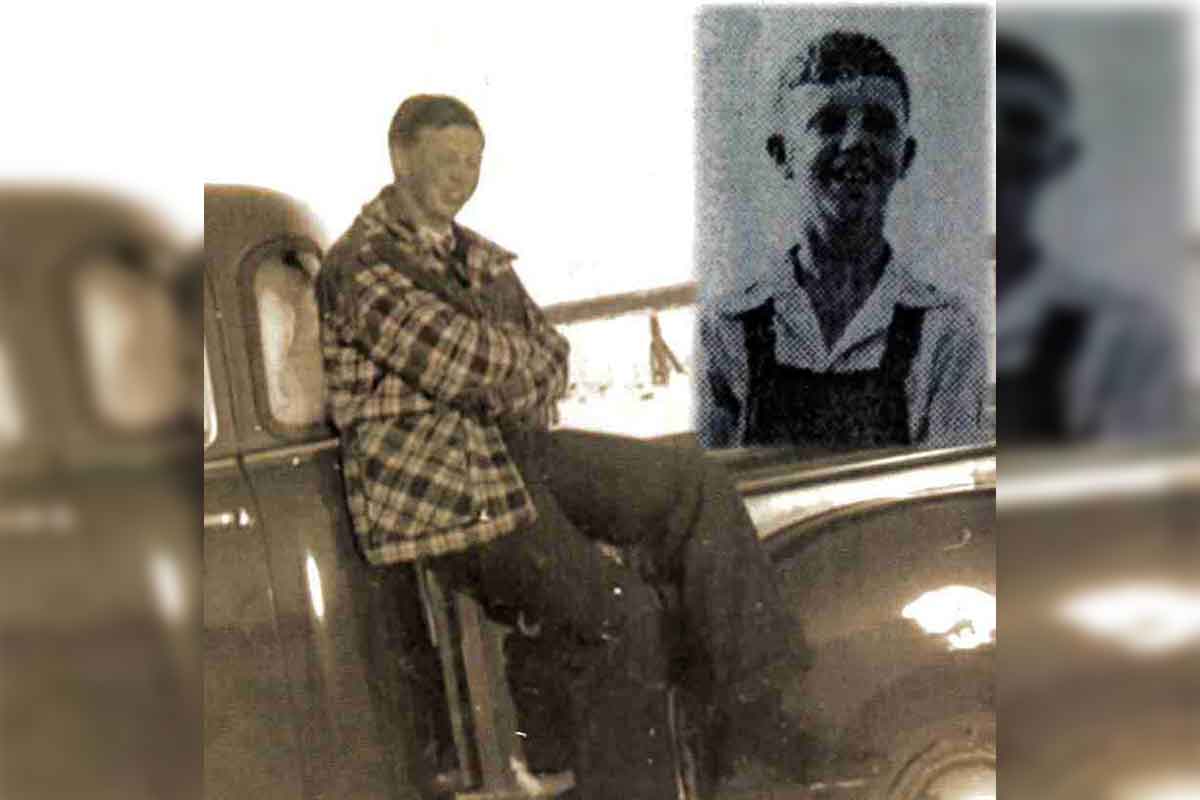
Mr. Burt was sitting, ears glued to the family radio, eager to learn of news from the front. These were the days without the internet or even television. News travelled slowly in those days and the first reports of the bombings were actually reported in newspapers. Radio broadcasts soon followed.
The bombing occurred at 8:15 am, on August 6, 1945. Specially modified B-29 bombers of the US Army Air Force dropped “Little Boy” on Hiroshima, levelling it for all intents and purposes and by the end of 1945, between 90,000 and 166,000 human beings had died as a result of the blast and its after affects. On August 9, 1945 a second bomb, “Fat Man,” was dropped on the city of Nagasaki, bringing the butcher’s bill to approximately 210,000.
The reason for the uncertainty about the casualty numbers is illustrated by a conversation Mr. Burt had many years later with a Japanese educator.
“He was a little Japanese guy after the war,” recalled Mr. Burt. “He was the principal of a girls’ school in Hiroshima when the bomb dropped that morning.” The students were in the midst of their morning prayers when the bomb blast hit.
“When he regained consciousness, the principal was buried in rubble and had to claw his way to the surface,” said Mr. Burt. “He looked out across the landscape that had been Hiroshima and it was just a wasteland.”
“I don’t know how many days he spent searching for his girls in the school,” said Mr. Burt. “He didn’t find any of them alive. He did find enough of six to identify them.”
The principal himself had burns marks all over his body. “Somehow, he survived it,” said Mr. Burt. “It is a good example of what happened. Here were all these girls in grade school all praying when they got hit. It wasn’t about killing the officials who started the war and continued it. It was little girls in school.”
Mr. Burt contends that the bombing of Hiroshima was more about testing the bomb than in ending the war. “There is evidence the war was just about over,” he said. “It would have been over fairly soon.” The contention at the time, and for many years after, was that the bombings saved thousands of Allied soldiers’ lives.
For his part, at the young age of 15 (going on 16), Mr. Burt found himself horrified at the carnage.
Out of the horror, death and maiming an accelerated growth of plants followed the blast and devastation. Oleander (Nerium) is the official flower of the city of Hiroshima because it was the first to bloom again after the explosion of the atomic bomb.
But although the Allied populations knew about the bombings, it was not until the end of the occupation that the Japanese public learned the truth of what happened as the occupation forces kept a strong lid on the press in Japan.
Response to the civilian tragedy was severely lacking. The first simple emergency dwellings were not provided until 1946.
Much has been made of the American Manhattan Project and the immense investment made by the US in the development of the bomb, but much less is known of the British and Canadian contributions to that story. The British scientific community played a key role in the race to build a nuclear bomb, but it could not have been possible without the uranium resources hauled through countless rivers by Metis and other Indigenous porters in 200-pound sacks from the far north.
The uranium was then processed at the Eldorado refinery at Port Hope. Without Canadian resources and effort, the production of those lethal weapons would have been delayed, probably for years.
Mr. Burt’s antipathy to all things nuclear does not stop at the creation of bombs, however. He points to the impact of cancers caused by radiation treatments and the incredible length of time that spent nuclear fuel remains deadly to human life as examples of why humanity should step back from those doomsday materials and the potential leakage into our freshwater resources that takes place at locations such as the uranium refining facility on the North Channel, Cameco near Blind River.
He points to the numbers of cancer cases that have surfaced since the 1950s and suggests that there is no coincidence. “It is a silent killer,” he said. He himself has been battling cancer.
The issue is only getting worse with time, he notes.
“I read in the papers the other day that China has 66 new nuclear power plants planned for the future,” he said.
Mr. Burt has put his money where his mouth is over the years fighting against nuclear power. “I darn near lost my farm over it,” he said. He notes that he largely funded his battle through his own resources. “Spent so much money and time over it.”
Along with a group of “regular people,” Mr. Burt has had some successes and he said that he wouldn’t take any of it back. But he notes that their success was somebody else’s loss. “We might keep it out of our back yards,” he said, “but it ends up in somebody else’s yard. The situation hasn’t changed, it just keeps getting worse.”
Mr. Burt will be turning 96 in a couple of weeks, but he remains adamant. “I haven’t changed my mind one bit,” he said.