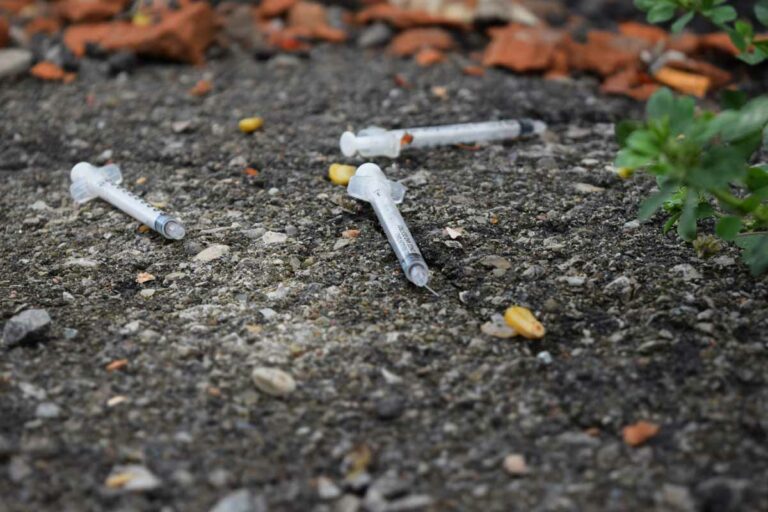
ONTARIO —The new report from the Chiefs of Ontario (COO) and the Ontario Drug Policy Research Network reads like a ledger of sorrow and resilience. It maps a cruel truth: between 2019 and 2022, the rate of opioid-related deaths among First Nations in Ontario nearly tripled, reaching 12.8 per 10,000 people, compared to 1.4 for non-First Nations. In 2023, First Nations people were ten times more likely to visit hospital because of opioid toxicity. Many more use opioid agonist therapy; many more live under the shadow of systemic trauma.
“These statistics shed a light onto one of the most pressing issues of our time,” said Abram Benedict, Chief of the COO. “Far too many people—both First Nations and non-First Nations—are tragically losing their lives to opioids.”
These stark numbers—cold, clinical—tell only part of the tale. Behind them are families, knowledge held in silent spaces between generations, community workers scrambling to hold someone up before the fall.
The authors acknowledge the limitations of data: the grief, the complexity, the lifeways of First Nations people who use opioids cannot be reduced to rates or charts. They call for funding, culturally safe programs, Indigenous leadership in healing, and policies born from trust, not top-down decrees.
By 2022, the death rate among First Nations was nine times higher than for non–First Nations—12.8 deaths for every 10,000 people compared to 1.4 for others.
“These statistics shed a light onto one of the most pressing issues of our time. Far too many people—both First Nations and non-First Nations—are tragically losing their lives to opioids,” said Chief Benedict.
“The opioid and toxic drug supply crisis has devastated many communities across this region. Nearly everyone has been affected by this in some way.”
Who is most affected
Adults between the ages of 25 and 44 are the hardest hit. More than one in 10 First Nations people in that age group were in treatment for opioid use disorder in 2023, and that same group had the highest death rates in 2022.
Among First Nations, men are about twice as likely as women to die from opioids. Yet women are more likely to be prescribed opioids for pain—14 percent of First Nations women living off-reserve compared to 11 percent of men.
Where people live matters, too. Hospital visits for opioid poisoning were more than twice as common among First Nations living off-reserve compared to those living within their communities. Deaths followed the same pattern.
“We need more resources, not fewer, to protect our people, safeguard our future, and provide the support essential for healing,” Chief Benedict said.
The report shows that between 2019 and 2022, the opioid death rate for First Nations nearly tripled. In that period, 389 First Nations people in Ontario died from opioid overdoses.
Losing ground up North
In Sudbury, The Spot (Minoogawbi/La Place)—the city’s only supervised consumption site—was forced to close on March 31, 2024, after years of uncertainty and pleas for provincial support. Outreach workers say the loss has been devastating, forcing people back into alleys, bathrooms and bush trails to use alone.
Earlier this year, Health Minister Sylvia Jones said she expected new addiction care “hubs” to be open across Ontario by April 1 — including one promised for Greater Sudbury. That promise has yet to materialize.
In the meantime, the death toll continues to climb. Between 2022 and 2024, 138 people in the Sudbury and Manitoulin districts lost their lives to suspected drug poisonings.
Public Health Sudbury and Districts reports a staggering death rate of 55 per 100,000 people — higher than the Northern Ontario average of 52.5, and more than three times the provincial projection of 15.7.
For Northern Ontario, the loss is even more acute. When the only safe-injection site in Sudbury shut down, the next nearest supervised consumption service was more than 200 kilometres away in Timmins—until that one closed, too.
First Nations leaders and harm reduction workers call this not just a policy failure, but an extension of colonial neglect.
A land-based answer
But amid the grief, Manitoulin is quietly building something else—a new kind of response rooted in land, dignity and care.
Gwekwaadziwin Miikan’s newest offering: a land-based withdrawal management centre years in the making, long awaited and hard fought for. Since opening in 2018, Gwekwaadziwin Miikan has offered land-based treatment and aftercare, rooted in Anishinaabe ways of knowing and being. The detox facility expands this circle of care to include acute withdrawal management—something that’s been sorely missing on Manitoulin.
But for now, acute withdrawal is the focus—catching people at the cliff edge and offering a soft place to land.
“The land will regenerate,” Sam Gilchrist, executive director of Gwekwaadziwin Miikan told The Expositor during a tour of the new facility. “As will the people who come here. That’s the hope.”
The Ongoing Crisis
Nearly 51,000 people have died of opioid overdoses across Canada since 2016, according to Health Canada. Chiefs from across the country, meeting in Winnipeg last month, warned that the crisis is outpacing the supports available.
Chief Mark Arcand of the Saskatoon Tribal Council said his Nation has opened treatment centres, safe homes, and cultural healing programs, but the need continues to grow. Chief Patsy Corbiere of Aundeck Omni Kaning First Nation said her community faces gaps in funding and policing, even as it tries to develop its own approaches.
If you need emotional support, please contact: The First Nations and Inuit Hope for Wellness Help Line at 1-855-242-3310 or connect to the online chat at hopeforwellness.ca. Service languages: Ojibway, Cree, Inuktut, English, French.
Your local nursing station, health centre, local mental health program, or an Elder.
If you or a loved one are suffering from opioid use disorder please contact gwek.ca.
