
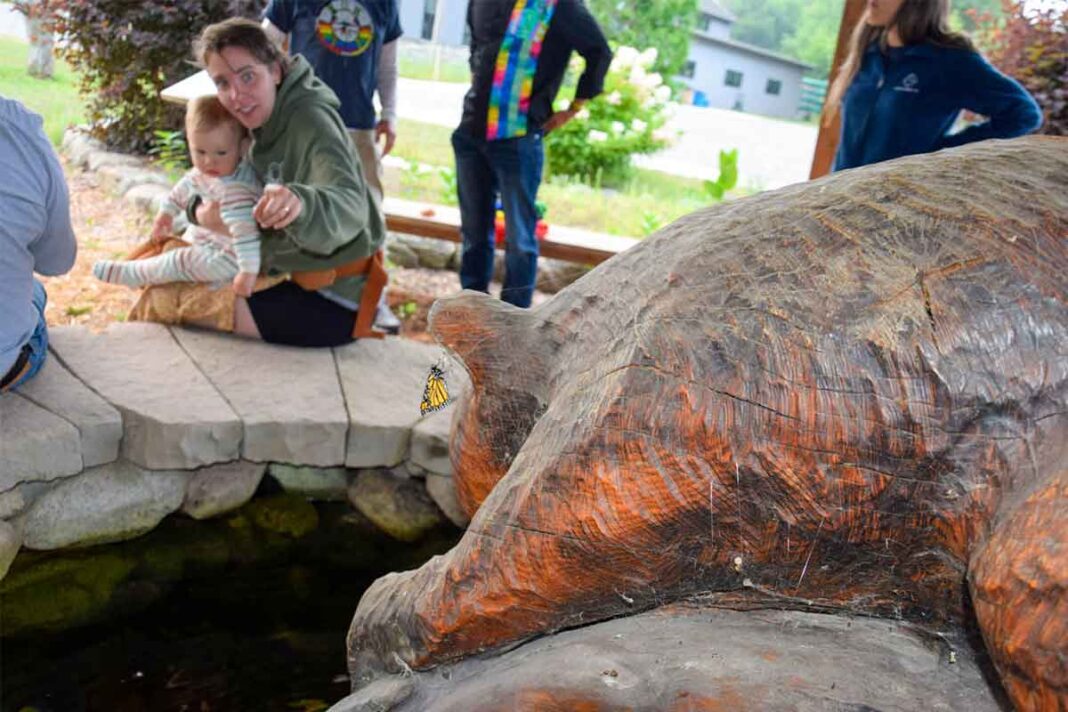
MANITOULIN—Once, in late summer, the skies over Manitoulin could flicker orange and black as monarch butterflies set out on their improbable journey — a multi-generational migration from Canada to the mountains of central Mexico. Today, ecologists say those numbers have dropped to “alarmingly low” levels, and without swift, coordinated action between Canada, the United States and Mexico, the monarch’s migration could collapse.
Ryan Norris, a University of Guelph professor and co-author of a new study in Current Biology, is calling for a $150 million, five-year, tri-national conservation plan. The strategy hinges on restoring milkweed — the monarch’s sole host plant — along its migratory route.
“In the first four years, we need large-scale milkweed restoration in the US Midwest,” Mr. Norris explained. “In the fifth year, shift some focus to Ontario and other Canadian provinces, and to overwintering habitat in Mexico.”
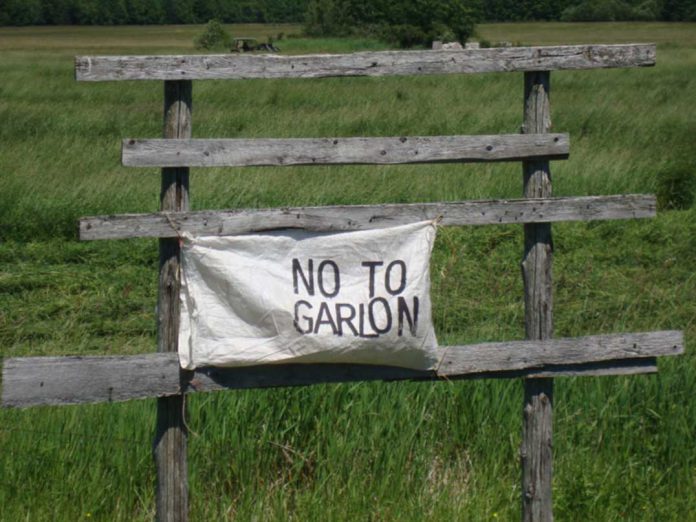
Milkweed, often targeted for removal in fields and roadsides, is essential for monarch reproduction. Monarch caterpillars cannot survive without it. Yet, in Ontario — including on Manitoulin — herbicide use along roadsides, in agricultural areas, and under hydro lines often strips away this critical plant, taking with it nectar sources for a wide range of pollinators.
Pollinators, Mr. Norris reminds, are not just ornamental visitors; they are essential to the reproduction of flowering plants, the health of ecosystems, and the food chain itself. “If the butterfly’s population dwindles even further,” he warns, “we’re in big trouble.”
The monarch was listed as endangered in Canada in 2023 under the Species at Risk Act, but in the US, the species remains in limbo, with a proposal to classify it as threatened still awaiting a decision.
Herbicides, Pesticides
and Pollinator Risks
Research underscores that milkweed planting can reverse population declines — but placement matters. The US Department of Agriculture traditionally recommends a 100-foot buffer between pollinator habitat and fields treated with herbicides or insecticides to prevent pesticide drift. Pesticide use has been linked to global pollinator declines, including butterflies, bumblebees and other insects critical to biodiversity.
However, Iowa State University modelling suggests that, for monarchs specifically, planting milkweed even near treated fields can boost populations — their mobility allows them to avoid becoming trapped in “population sinks.” Yet, scientists caution, not all pollinators have that mobility. Species like the endangered rusty patched bumblebee may face higher risks when habitat is sited close to pesticide use.
Closer to home, herbicide spraying remains a recurring issue. Ontario Hydro’s vegetation management program and municipal roadside spraying often eliminate milkweed and wildflower stands, shrinking available habitat for monarchs and other pollinators.
Meanwhile, a University of Florida study has added another layer of complexity: even plants marketed as “pollinator-friendly” can carry lethal pesticide residues if treated in nurseries. Tropical milkweed treated to control aphids was found to retain insecticide levels capable of killing monarch caterpillars for up to four weeks after application — including so-called “reduced-risk” products.
These findings create a dilemma for gardeners and municipalities seeking to support monarchs: the very plants meant to help may also harm, depending on how they were grown.
Island Action and Public Role
Donald Davis, of the Toronto Entomology Association and chair of the Monarch Butterfly Fund, says Ontario — especially southern regions — is a key priority area for milkweed restoration. Mr. Davis has been tagging monarchs for decades and says Manitoulin’s location along migratory routes gives it an important role to play.
Local residents are already part of the solution. Across the Island, milkweed stands have been spared in fields, gardens have been planted with native flowers, and schools have taken up pollinator education projects. Norris urges residents to keep going: “Plant native milkweed and nectar plants. It’s a valuable tool for urban and rural biodiversity.”
Wendy Caldwell of Monarch Joint Venture stresses that monarch survival depends on “healthy habitats across all three countries.” That means roadsides, fields, and hydro corridors could all be part of the recovery — if managed without blanket herbicide application.
For Manitoulin, the challenge will be balancing vegetation management and agricultural needs with the survival of one of the most extraordinary migrants in the natural world. As Mr. Norris puts it, “Do we have the ability to save them? Yes. Do we have the will? That’s the question.”
What Manitoulin Residents Can Do for Monarchs
1. Plant Native Milkweed. Common milkweed (Asclepias syriaca) is the monarch caterpillar’s only food source. Swamp milkweed (Asclepias incarnata) and butterfly milkweed (Asclepias tuberosa) are also excellent choices. Avoid tropical milkweed, which can disrupt migration.
2. Choose Pesticide-Free Plants. Ask garden centres whether plants have been treated with insecticides. Even “pollinator-friendly” plants can carry residues harmful to butterflies for weeks after purchase.
3. Limit Herbicide Use. Where safe and possible, allow milkweed and native wildflowers to grow along fence lines, ditches, and field edges. Herbicide drift from roadside or utility spraying can destroy habitat.
4. Create Continuous Nectar Sources. Plant native flowers that bloom from early summer into fall to support monarchs and other pollinators throughout their life stages.
5. Support Pollinator Corridors.
Encourage municipalities, Hydro One, and landowners to manage roadsides and utility corridors as pollinator habitat, reducing blanket spraying and mowing during peak bloom.
6. Join Community Science Projects.
Tagging, monitoring, and reporting sightings through groups like Monarch Watch or Journey North helps track population health.
Small patches of habitat across the Island can form a lifeline for one of the world’s great migrations.